

Welcome to plants@work
Welcome to the Plants at Work (formerly efig ltd) website - the association representing Interior Landscapers by promoting the use and benefits of Interior Plants.
There are many benefits of joining us, including:
- Industry Representation
- Great Business Opportunities
- Fantastic Training Programme
- Networking



News
-
From Niche to Necessity: New EU Report Validates the Power of Building-Integrated Nature Wednesday, 01 April 2026
-
The Women Who Shaped Landscaping and Interior Green Spaces Tuesday, 03 March 2026
-
Cultivating a Career in Interior Landscaping Tuesday, 03 March 2026
plants@work
World Health Day 2026: Why Botanical Spaces are Essential for Public Health
Today, April 7, 2026, marks World Health Day. This year, the World Health Organisation (WHO) has set a powerful theme: "Together for health. Stand with science." While we often think of "health" as a clinical term—stethoscopes, labs, and prescriptions—this year's focus on the One Health approach reminds us that human health is inextricably linked to the health of our animals, our environment, and specifically, our plants.
As we navigate an increasingly digital and high-pressure world, science is turning its lens toward a simple, ancient remedy for the modern stress epidemic: the botanical world.

The "One Health" Connection
The 2026 campaign spotlights the One Health approach, which treats the ecosystem as a single unit. When our environment thrives, we thrive. Scientific collaboration has recently proven that protecting plant biodiversity isn't just about "saving the planet"—it’s a direct intervention for our collective mental health.
"Science is the foundation of health. By standing with evidence, we recognise that a healthy mind requires a healthy, green environment." — WHO 2026 Key Message
Why Plants are "Green Medicine" for Stress and Selecting Your “Health Allies”
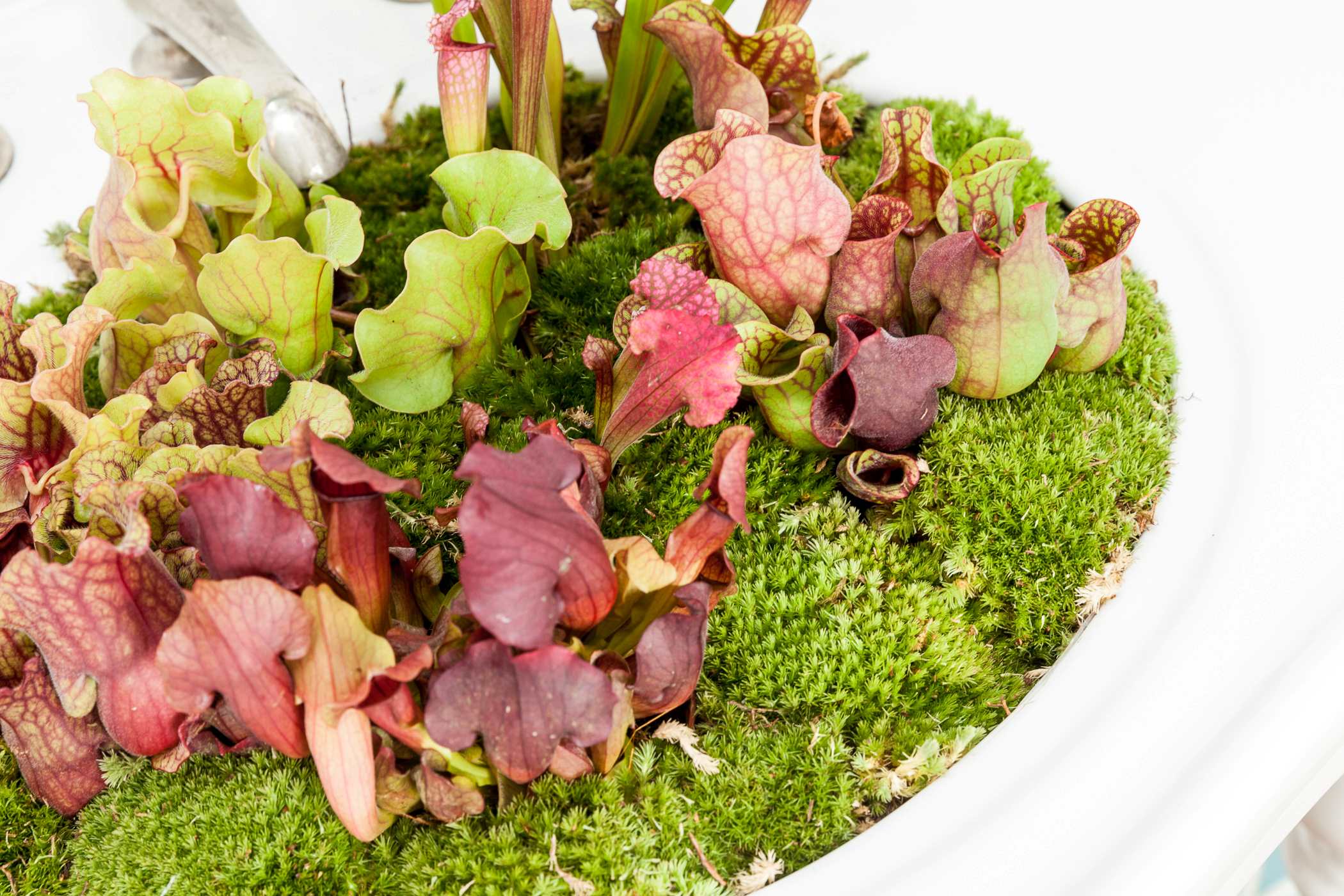
The benefits of bringing plants into your environment are not just aesthetic—they are deeply rooted in science. Interacting with soil and foliage has been shown to measurably reduce cortisol, the body’s primary stress hormone, helping to lower overall stress levels. This effect is further enhanced by the relationship between humans and the microbial life found in soil. Beneficial bacteria, such as Mycobacterium vaccae, can stimulate serotonin production in the brain, acting as a natural antidepressant and reinforcing the concept of a connected
“One Health” ecosystem. At the same time, exposure to plants supports cognitive restoration. Modern lifestyles often lead to “directed attention fatigue,” a state caused by prolonged focus on demanding tasks like screen work. The intricate, fractal patterns found in nature allow the brain to shift into a mode of “soft fascination,” gently restoring focus and reducing mental exhaustion.
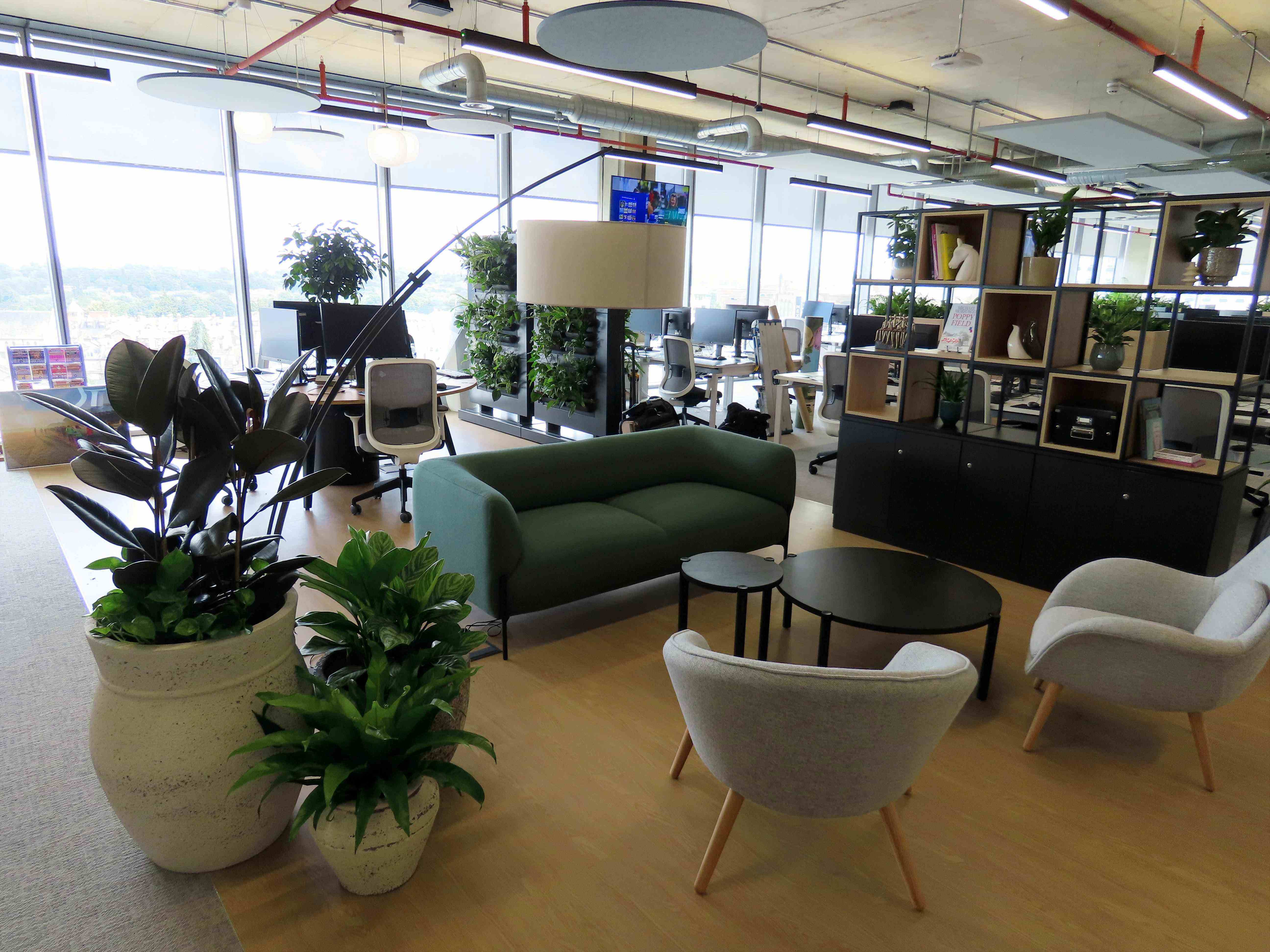
In the modern professional landscape—whether in a corporate office or a home workspace—this scientific foundation becomes highly practical. Work environments are often dominated by screens and repetitive visual stimuli, which can drain mental energy and elevate stress. Introducing plants into these spaces is not merely decorative; it is a form of strategic biophilic design. Studies have shown that employees in plant-rich environments can be up to 15% more productive compared to those in more sterile settings. Plants act as visual anchors, breaking the monotony of technology-heavy surroundings while introducing a sense of vitality and calm.
Beyond their psychological benefits, plants also contribute to physical well-being by improving indoor air quality. Many modern office materials release volatile organic compounds (VOCs), which can cause headaches, fatigue, and irritation. Plants help filter these pollutants while naturally increasing humidity, reducing issues like dry skin and respiratory discomfort often associated with air-conditioned spaces. In this way, they function as a living support system—enhancing both cognitive clarity and physical resilience.
Choosing the right plants is key to maximising these benefits. Think of them as members of your personal support team. A Snake Plant, for example, is a resilient, low-maintenance option that thrives in low light. For those seeking creative stimulation, plants with complex leaf structures—such as Monstera or various ferns—provide the “soft fascination” that help the brain rest and recharge. By selecting plants intentionally, you are not just decorating your space—you are building a living infrastructure that supports both mental performance and overall well-being.
Standing with Science: A World Health Day Action Plan
To honour World Health Day today, consider these evidence-based steps to integrate "One Health" into your routine:
- Practice "Micro-Breaks": If you work at a desk, place a small plant in your line of sight to help to boost your concentration.
- Engage with Soil: If you have space, spend 10 minutes gardening. The physical act of planting fosters a sense of connection that combats feelings of overwhelm.
- Support Local Biodiversity: Stand with science by advocating for green corridors in your city. Urban green spaces are proven to lower community-wide depression rates.
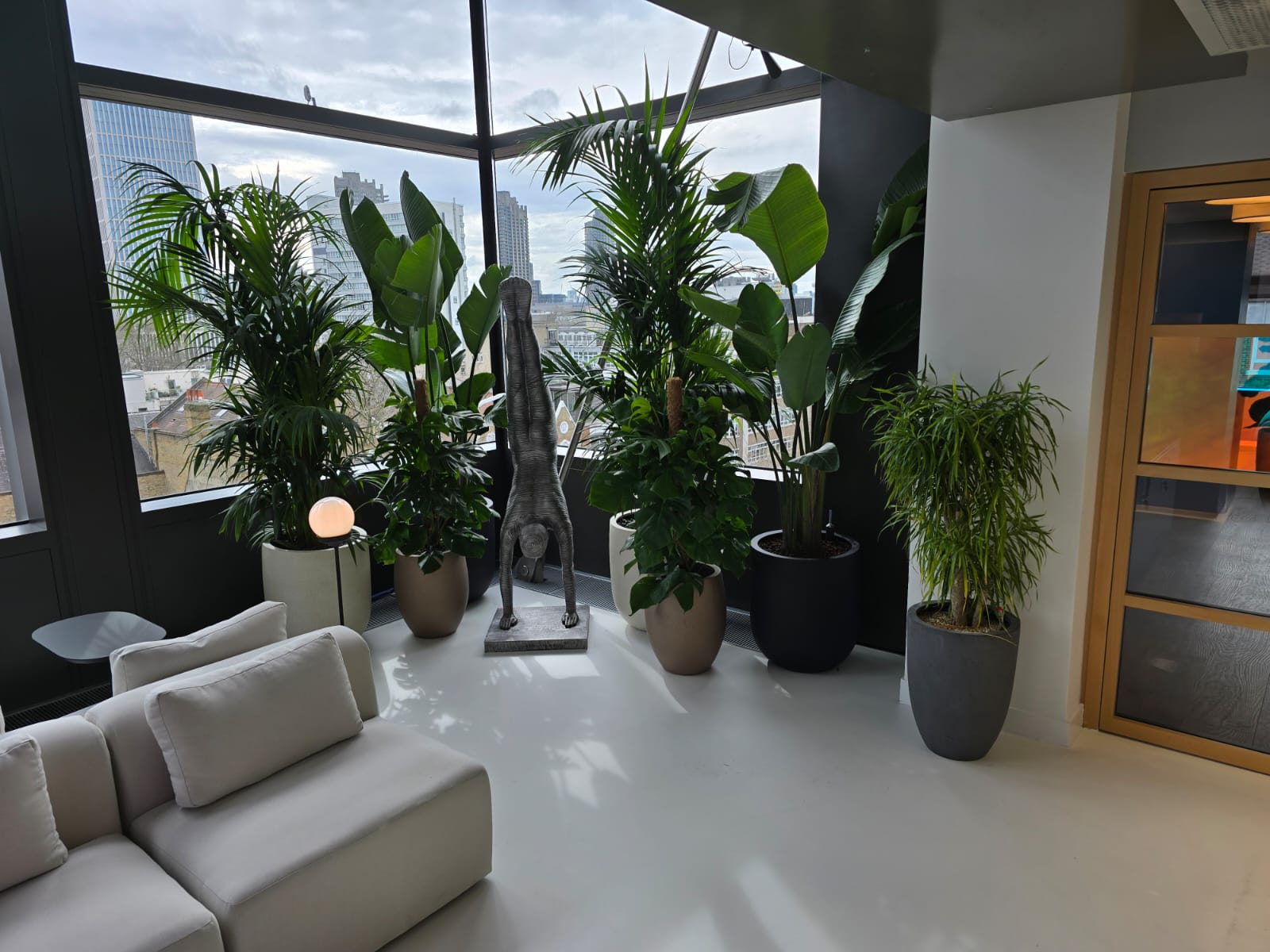
This World Health Day, let’s move beyond the idea that health is something we only find in a doctor’s office. By embracing the One Health approach and bringing nature into our homes and workspaces, we aren't just decorating; we are practising science-led self-care.
How will you "Stand with Science" and nature today?