


Welcome to plants@work
- Industry Representation
- Great Business Opportunities
- Fantastic Training Programme
- Networking



Who We Are
News
-
Get Involved in The Green Journey This National plants@work Week Sunday, 05 July 2026
-
plants@work Ambassador Ian Drummond Receives RHS Long Service Medal Thursday, 25 June 2026
-
Plants, Pride, and the Language of Growth Tuesday, 23 June 2026
-
Fleurtations Plantscapes Turn Their Anniversary into a Life-Saving Mission Monday, 22 June 2026
Plants, Pride, and the Language of Growth
Pride Month is a time for celebration, reflection, and honouring the LGBTQ+ community. Throughout history, when open expression was dangerous or restricted, people often turned to the language of flowers — known as floriography — to communicate identity, attraction, solidarity, and love.
At plants@work, we believe plants are more than decoration. They are living symbols of resilience, transformation, and growth, as well as silent witnesses to LGBTQ+ history and culture.

Pride floral symbolism blends historical queer "floriography" (the language of flowers) with contemporary themes of resilience and visibility. Here are some of the plants and flowers that have helped shape and symbolise the queer community through the ages.
Lavender: Few plants are more deeply connected to LGBTQ+ history than lavender. Throughout the 20th century, the colour lavender became associated with queer identity, often used both as a coded label and later reclaimed as a symbol of pride and solidarity.
Today, lavender represents calm, healing, resilience, and authenticity — qualities that continue to resonate throughout the LGBTQ+ community. Beyond its symbolism, its soothing fragrance and soft purple blooms remind us that strength and gentleness can exist side by side.

Green Carnations: in Victorian society, flowers often carried secret meanings. One of the most famous examples linked to queer history is the green carnation, popularised by writer and playwright Oscar Wilde.
Wearing a green carnation became a subtle way for people to recognise one another within queer circles at a time when open self-expression carried significant risk. The flower evolved into a quiet but powerful emblem of identity, creativity, and coded community.

Pansies: The delicate pansy has a surprisingly complex place in LGBTQ+ history. In the early 20th century, the term “pansy” became a slang term directed at effeminate men and queer culture, often used mockingly or dismissively.
Today, many people view the flower through a different lens — one of reclamation, individuality, and pride. Pansies are vibrant, expressive, and resilient flowers that thrive in changing conditions, making them a fitting symbol for authenticity and self-expression.
Their wide variety of colours also reflects one of Pride’s most important messages: diversity is something to celebrate.

Violets: the connection between violets and lesbian identity dates back to ancient Greece. In the 6th century BC, the poet Sappho wrote lyrical verses describing herself and the women she loved, adorned with garlands of violets.
Over time, the flower became closely associated with sapphic love and female queer identity, transforming the delicate violet into a lasting symbol of affection, intimacy, and connection between women.
For centuries, violets have quietly carried this meaning through literature, art, and culture — a reminder of the enduring visibility of queer love throughout history.

Orchids have long symbolised beauty, rarity, and individuality. With thousands of unique species across the world, no two orchids are exactly alike — a natural reflection of the diversity within human identity and expression.
Their adaptability and extraordinary variety make orchids a powerful modern symbol for inclusion and nonconformity. They remind us that difference is not something to hide, but something that enriches the world around us.
In workplaces, orchids can also represent care, creativity, and the importance of creating environments where people are able to flourish as themselves.

Sunflowers naturally turn towards the light, making them a beautiful symbol of openness, confidence, and hope. Their bright appearance and strong presence reflect the spirit of Pride Month: visible, joyful, and unapologetically authentic.
Sunflowers also symbolise community. Just as fields of sunflowers grow stronger together, Pride reminds us of the power of collective support, allyship, and belonging.
In homes and workplaces alike, they bring warmth, positivity, and optimism — qualities that help create spaces where everyone feels welcome.

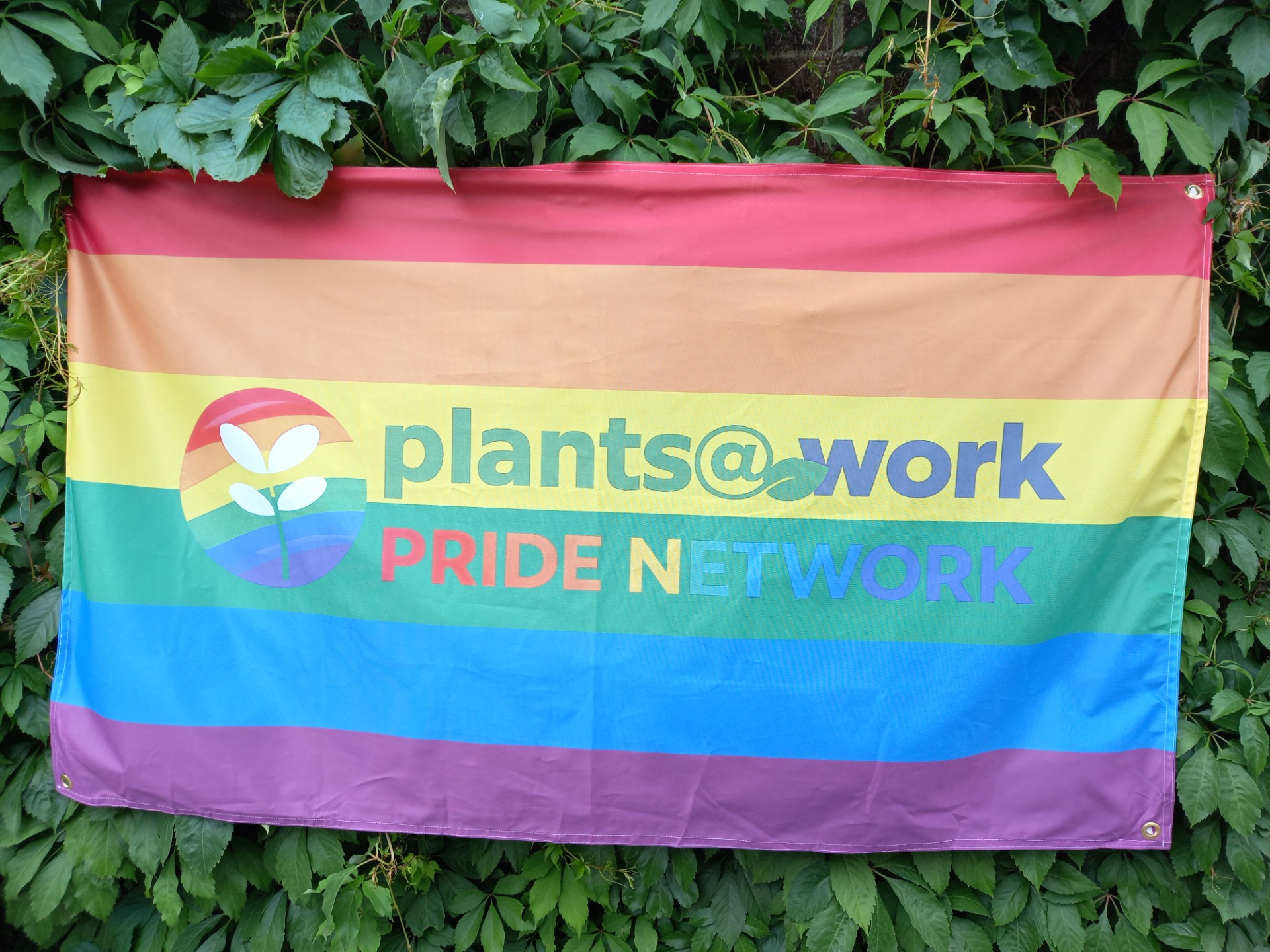
Rainbow Planting is a modern, tangible way to express solidarity and celebration. Rather than relying on hidden codes, these displays use the pride rainbow as a direct, public statement of inclusion.

Flowers serve as a bridge between the past and the present. While they were once a way to signal identity without the danger of being "out"—they have transitioned into a celebratory tool. They also serve as reminders of the importance of authenticity, diversity, and creating environments where people feel safe to grow. Because like any thriving ecosystem, communities flourish when differences are embraced, supported, and celebrated.
This Pride month, whether you are wearing a green carnation in your lapel or simply enjoying the lavender in your garden, remember that every bloom carries a story. Together, we continue to grow, to bloom, and to celebrate our authentic selves.
- Tags: Pride 2026, Pride Network